A Designer's Real-World Review of Best Teacher Ever Since 1995
When you’re running a craft business or creating gifts that feel special, the first impression of an embroidery design is everything. I opened Best Teacher Ever Since 1995 with that mindset, looking at it not just as a graphic, but as the foundation for a real, stitched product someone will wear, use, or give. This isn’t about file formats; it’s about how it translates from screen to thread.
The Immediate Mood: Sentimental and Celebratory
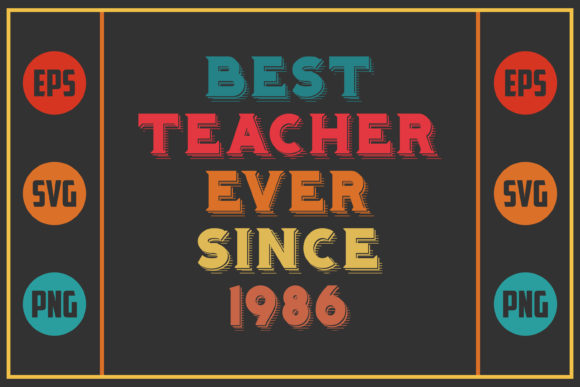
Right away, the title Best Teacher Ever Since 1995 sets a clear, personal tone. This isn’t a generic “thank you” graphic. The inclusion of the year creates an instant narrative. It feels custom-made for a meaningful anniversary—a 25-year milestone, a retirement gift, or a tribute to a long-tenured mentor. The layout likely balances that prominent text with decorative elements that support the celebratory mood, avoiding a cluttered or overly childish vibe. Its visual personality leans toward heartfelt recognition, which is a powerful driver for personalized gifts and boutique merchandise.
The Natural Project Fit: Where This Design Belongs
In my practice, I immediately picture this on items meant to be kept and cherished. A custom embroidered tote bag for a teacher’s daily use makes perfect sense—the design becomes a public, proud statement. Embroidered on a cozy sweatshirt or a crisp apron, it transforms everyday apparel into a trophy. For baby items or nursery decor? Perhaps less so, unless it’s for the teacher’s own newborn. Its true home is in holiday gifts, wedding gifts (for a teacher who shaped the couple), and small shop merchandise aimed at school communities. As an Etsy seller, a well-stitched version of this on a pillow cover or tea towel could easily become a standout listing for Teacher Appreciation Week.
Performance in Real Embroidery Situations
Let’s talk stitching. On a robust fabric like a canvas tote bag or a denim jacket, this design should hold up beautifully. The stitch density, particularly in any fill stitch areas for decorative accents, needs to be suitable for the fabric weight. For a sweatshirt, you’ll need proper stabilizer to handle the texture and prevent puckering, especially around the lettering. If the design includes fine details or tiny lettering within “1995,” a larger hoop size will help maintain clarity. I always advise testing on a scrap of your intended fabric first—this reveals how the satin stitch or running stitch elements interact with the material.
For commercial embroidery projects, like a batch of caps for a school staff, consistency is key. The design’s layout should be clean enough to reproduce reliably across multiple items, building customer trust through uniform quality. In digital product previews or printable mockups for your craft business, the strong, clear message of Best Teacher Ever Since 1995 makes for an engaging visual that sells the concept quickly.
Careful Application: Where to Proceed with Caution
This design might face challenges on certain surfaces. Embroidering on thin, stretchy fabric for a t-shirt requires extra stabilizer and possibly a reduction in overall size to maintain integrity. Dark fabric backgrounds demand careful thread color contrast planning—you might need to adjust colors for optimal visibility. On curved surfaces like caps, the design’s shape and any detailed corners need to be adaptable without distortion.
Most importantly, consider the product’s life. A kitchen towel or apron that needs frequent washing requires a robust embroidery file with secure stitches that won’t snag or fade quickly. Inspect the small details in your test run to ensure they can withstand use. The value of your handmade product hinges on this durability.
How This Design Elevates Your Work
Using a design with such a specific, resonant message elevates your work beyond mere decoration. It creates a product with inherent story and emotional value, which boosts giftability and recognition. For your brand, consistently offering well-executed, sentiment-driven designs like this builds a reputation for thoughtfulness and professionalism. It engages buyers looking for more than a generic item—they’re seeking a personalized product that speaks directly to a relationship.
The stitching clarity is paramount. A crisp, clean rendition of “Since 1995” affirms the quality of your craftsmanship and the design asset itself. It tells the customer that you, and the original designer, cared about the details.
Practical Notes from the Embroidery Desk
Before you run this machine embroidery design for a client project, here’s my routine checklist. Test it on both a light and dark scrap fabric to judge thread color choices. Check the stitch density in any filled areas; too dense can stiffen a lightweight fabric. Confirm your hoop size can accommodate the entire design without needing to resize and potentially compromise detail. Always use the stabilizer appropriate for your fabric.
For commercial use, or selling the finished product on Etsy or at craft fairs, you must confirm the licensing terms of the digital embroidery file. The provided description notes it’s a digital download with an SVG file, but it does not specify license details. It is your responsibility to verify whether this design is cleared for commercial use, resale of physical items, or only for personal projects. This is a critical step for any creative entrepreneur.
Finally, view the design in black and white mockups. This helps you assess its form and balance independent of color, ensuring the layout is strong even if you change the palette. When you stitch Best Teacher Ever Since 1995 with care, you’re not just making a craft; you’re crafting a keepsake. That’s the real project power it offers.